
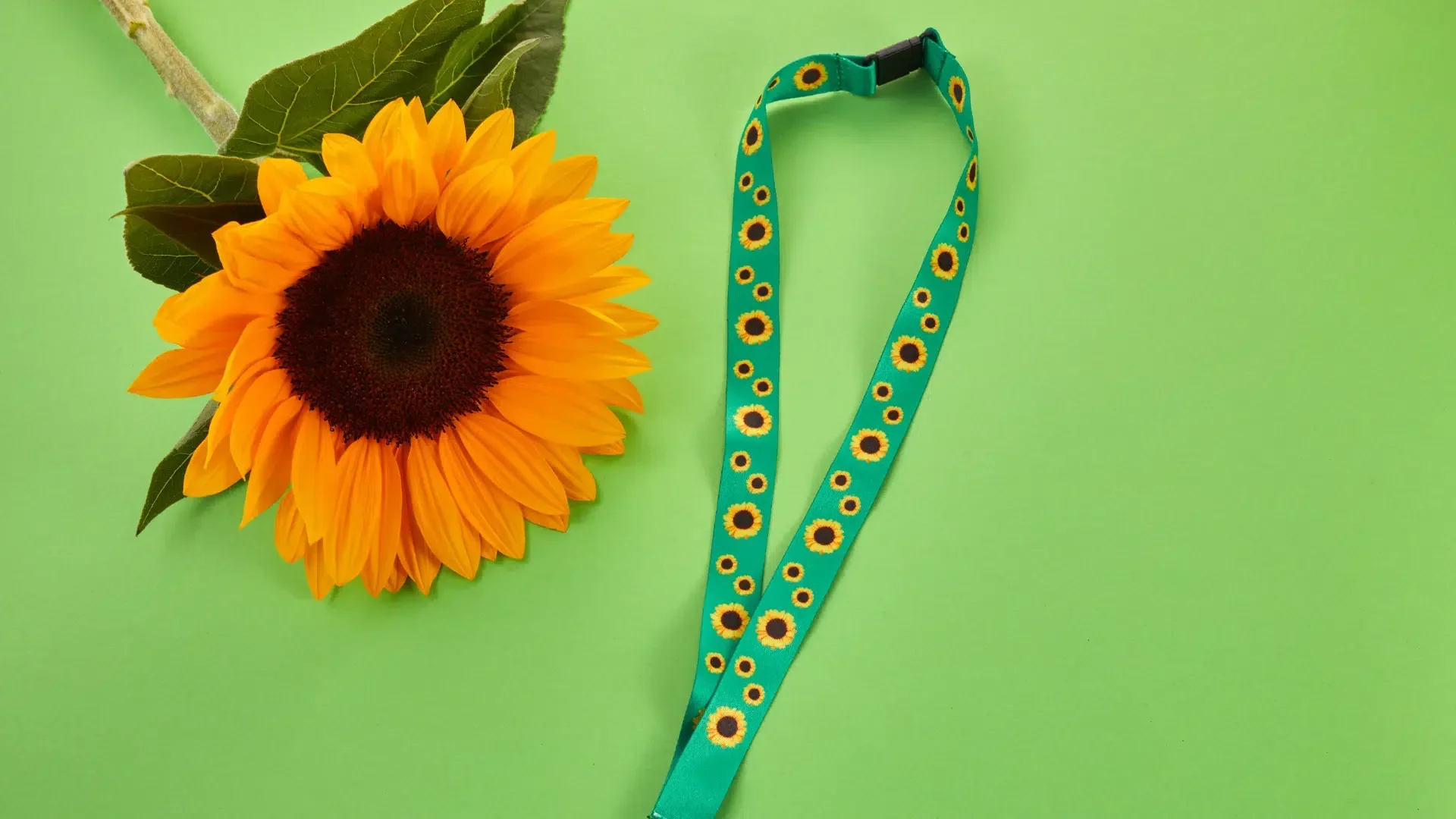
The Hidden Disabilities Sunflower represent disabilities that are non-visible. It is something you can wear to voluntarily share that you have a disability or condition that may not be immediately apparent – and that you may need a helping hand, understanding, or more time in shops, at work, on transport, or in public spaces.
Hello!
I’m Hillary. I’m a neurospicy Registered Social Worker who was diagnosed with a learning disability—dyslexia—at the age of nine.
October is Dyslexia Awareness Month, and for me, this month represents an opportunity to educate, share stories and experiences, reduce stigma, and advocate for people with dyslexia.
So, what is Dyslexia?
For those who may not be familiar with dyslexia, I’ll keep it short and sweet.
Dyslexia is a learning disability that affects the way the brain processes language and information. It can impact things like reading, writing, spelling, processing speed, working memory, and the ability to organize or retrieve information.
Dyslexia exists on a spectrum, which means that no two people will necessarily experience it in exactly the same way. While there are common experiences among people with dyslexia, there can also be significant differences in how it shows up from person to person.
And dyslexia isn’t simply about struggling to read or spell.
For many people, the challenges associated with dyslexia can extend into other areas of life. Growing up in environments that don’t always understand or accommodate the way your brain works can sometimes affect how you see yourself and what you believe you’re capable of.
The Emotional Side of Dyslexia
As someone with lived experience of dyslexia, I understand how challenging it can be to navigate life in a world that can sometimes feel overwhelming, fast-paced, and not particularly accommodating.
Many dyslexic individuals experience things like anxiety, self-doubt, frustration, perfectionism, and negative self-talk. These experiences can exist alongside the everyday demands of work, school, relationships, financial stress, and the constant noise of technology and social media.
Sometimes, it can feel like there is just a lot to hold.
And you shouldn’t have to hold it all on your own.
This is one of the reasons supporting neurodivergent individuals is important to me. Therapy can be a space to explore not only the challenges you’re experiencing, but also the ways you’ve adapted, the strengths you’ve developed, and the beliefs you may have picked up along the way.
With the right support, it’s possible to better understand yourself, reconnect with your mind and body, make sense of patterns that may no longer be serving you, and move toward a life that feels more grounded and aligned with who you are.
You don’t have to navigate it alone. I’m here to walk alongside you in that process.
